
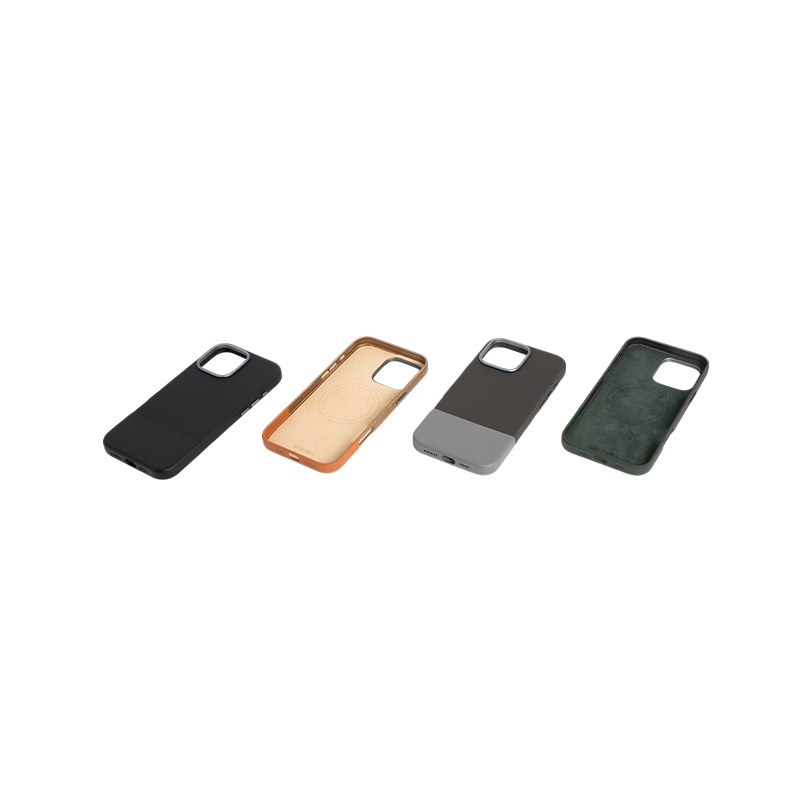
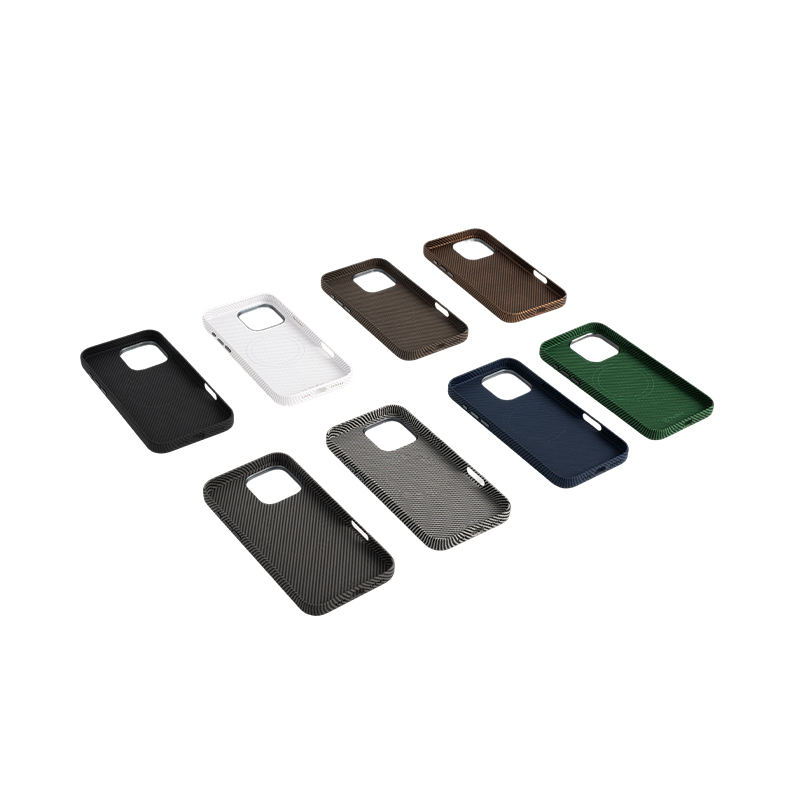
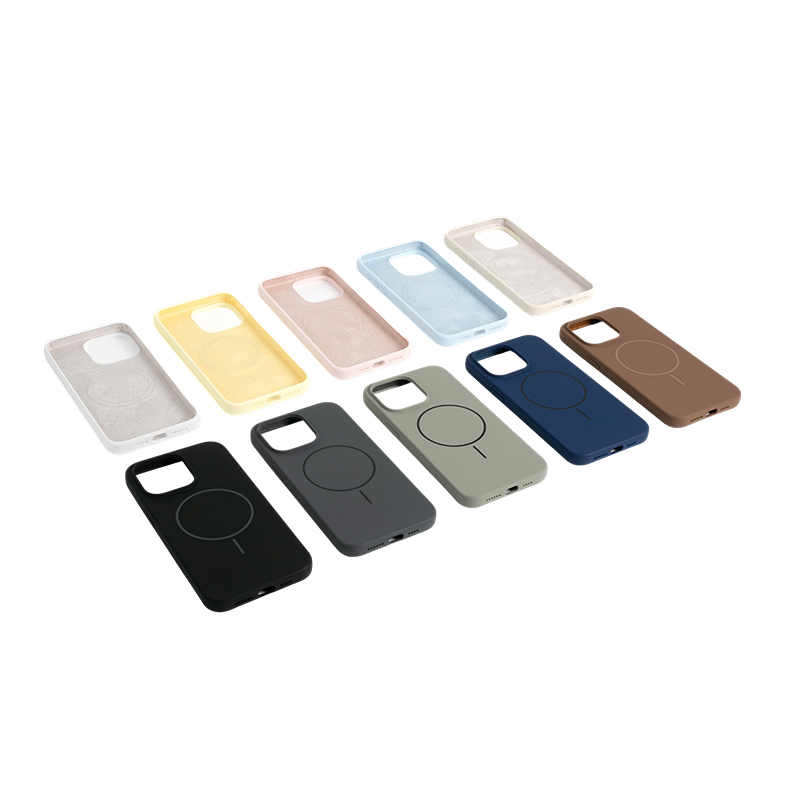
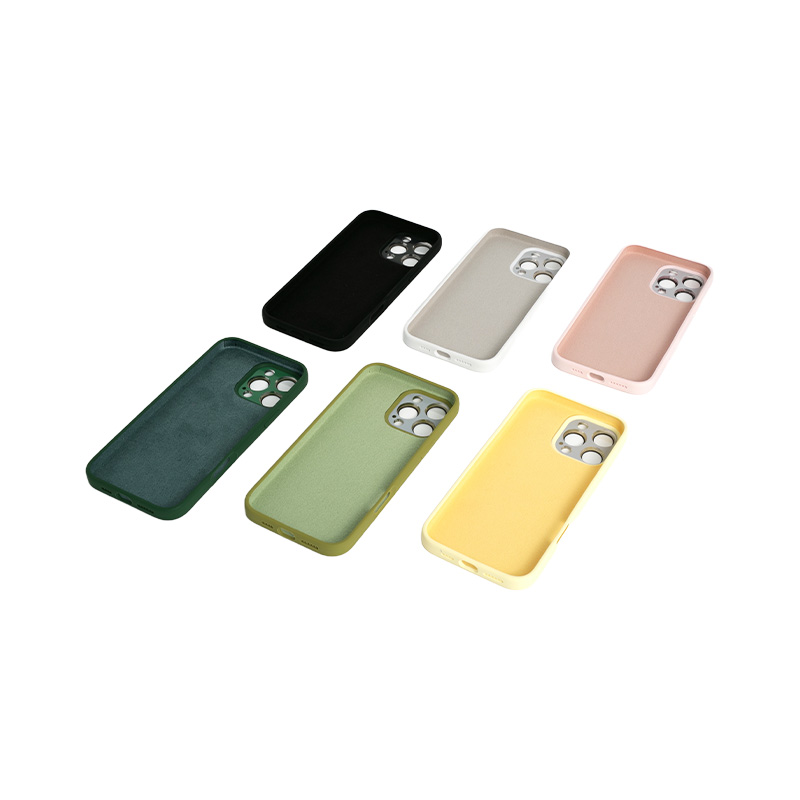


How does a metal camera ring enhance the feel of a phone protective case while simultaneously strengthening the lens module's impact resistance?
Release Time : 2026-01-05
With the continuous upgrades in smartphone photography capabilities, the iPhone's multi-camera module has not only become the core of its imaging performance but has also evolved into the most recognizable design element on the back of the phone. However, the protruding lens module is easily damaged by bumps, drops, or friction during daily use, resulting in scratches on the lens or, in severe cases, focusing failure or sensor misalignment. Phone protective cases commonly employ a metal camera ring design—this seemingly decorative detail actually combines aesthetic expression with engineering protection. It not only significantly enhances the product's visual appeal and tactile quality but also provides crucial impact protection for the precision lens in critical moments.
1. Structural Reinforcement: The Metal Ring as the First Physical Barrier
The metal camera ring is typically precision CNC machined from stainless steel, aluminum alloy, or titanium alloy, tightly encasing the edge of the lens opening on the back of the protective case. When the phone is accidentally dropped face down, the protruding lens is often the first to hit the ground. At this point, the metal ring, with its high hardness and strength, absorbs the impact force first, effectively preventing the lens glass from directly impacting hard surfaces. Compared to ordinary plastic or silicone shells that rely solely on tiny protrusions for protection, the metal ring can disperse the impact force over a larger area and absorb some energy through its own micro-elastic deformation, significantly reducing the risk of misalignment or damage to the precision components inside the lens module due to instantaneous impact.
2. Precise Tolerances and Buffering Synergy: A Protection Logic Combining Rigidity and Flexibility
High-quality metal camera rings are not rigidly connected to the shell, but rather work in conjunction with the main structure through a micro-gap design or embedded buffer layer. This "rigid outside, flexible inside" strategy retains the compressive strength of metal while avoiding stress concentration caused by rigid transmission. For example, some high-end models have a 0.3–0.5mm buffer groove on the inner side of the metal ring. When subjected to a lateral impact, the ring can slightly shift to dissipate energy, and then rely on the material's elasticity to return to its original position, ensuring it remains secure over long-term use. Simultaneously, the inner diameter of the metal ring maintains strict concentricity with the lens module, avoiding obstruction of the field of view or glare, balancing functionality and optical performance.
3. Enhanced Texture: Metal Craftsmanship Enhances the High-End Visual Language
Aesthetically, the metal camera ring significantly elevates the overall texture of the protective case. Through surface treatments such as brushing, sandblasting, PVD coating, or anodizing, it achieves a variety of sophisticated colors including matte black, champagne gold, and space gray, visually echoing the original metal frame of the iPhone. Its cool touch and delicate texture far surpass ordinary plastic, conveying a refined, reliable, and technologically advanced brand image. Especially in business or high-end consumer scenarios, this detail becomes an important vehicle for users to showcase their taste—the protective case is no longer just a "protective tool," but an extension of personal style.
4. Wear-Resistant and Scratch-Resistant: Protecting the Lens "Window" for Long-Term Clarity
In daily use, the lens area frequently comes into contact with abrasive sources such as desktops, keys, and dust. Ordinary plastic rings are easily scratched and whitened, affecting aesthetics and even accumulating dirt. The metal ring, however, has a surface hardness of HV300 or higher, and with a hardened coating, it effectively resists daily friction, maintaining a pristine appearance for a long time. Some products also feature a micro-beveled edge on the lens opening to further reduce the risk of scratches and ensure clear, undamaged images every time.
5. System Integration: Compatible with MagSafe and Wireless Charging
It's worth noting that modern metal camera rings are designed with electromagnetic compatibility in mind. They are positioned away from the wireless charging coil area and are mostly made of non-ferromagnetic metals to avoid interfering with MagSafe magnetic attraction or Qi wireless charging efficiency. Even if some stainless steel rings contain iron, localized slotting or discontinuous structural designs cut off eddy current paths, ensuring zero compromise on functionality.
While the metal camera ring on a phone protective case is just a detail, it embodies the design philosophy of contemporary consumer electronics accessories: "form follows function, details create experience." Through meticulous manufacturing, it integrates protection, aesthetics, and compatibility, building a solid defense for the most sensitive area of the iPhone within a small space. The moment the user picks up the phone to take a picture, that understated yet sturdy metal ring silently protects every possible clear image—this is the value of high-end protective cases that transcends basic protection.
1. Structural Reinforcement: The Metal Ring as the First Physical Barrier
The metal camera ring is typically precision CNC machined from stainless steel, aluminum alloy, or titanium alloy, tightly encasing the edge of the lens opening on the back of the protective case. When the phone is accidentally dropped face down, the protruding lens is often the first to hit the ground. At this point, the metal ring, with its high hardness and strength, absorbs the impact force first, effectively preventing the lens glass from directly impacting hard surfaces. Compared to ordinary plastic or silicone shells that rely solely on tiny protrusions for protection, the metal ring can disperse the impact force over a larger area and absorb some energy through its own micro-elastic deformation, significantly reducing the risk of misalignment or damage to the precision components inside the lens module due to instantaneous impact.
2. Precise Tolerances and Buffering Synergy: A Protection Logic Combining Rigidity and Flexibility
High-quality metal camera rings are not rigidly connected to the shell, but rather work in conjunction with the main structure through a micro-gap design or embedded buffer layer. This "rigid outside, flexible inside" strategy retains the compressive strength of metal while avoiding stress concentration caused by rigid transmission. For example, some high-end models have a 0.3–0.5mm buffer groove on the inner side of the metal ring. When subjected to a lateral impact, the ring can slightly shift to dissipate energy, and then rely on the material's elasticity to return to its original position, ensuring it remains secure over long-term use. Simultaneously, the inner diameter of the metal ring maintains strict concentricity with the lens module, avoiding obstruction of the field of view or glare, balancing functionality and optical performance.
3. Enhanced Texture: Metal Craftsmanship Enhances the High-End Visual Language
Aesthetically, the metal camera ring significantly elevates the overall texture of the protective case. Through surface treatments such as brushing, sandblasting, PVD coating, or anodizing, it achieves a variety of sophisticated colors including matte black, champagne gold, and space gray, visually echoing the original metal frame of the iPhone. Its cool touch and delicate texture far surpass ordinary plastic, conveying a refined, reliable, and technologically advanced brand image. Especially in business or high-end consumer scenarios, this detail becomes an important vehicle for users to showcase their taste—the protective case is no longer just a "protective tool," but an extension of personal style.
4. Wear-Resistant and Scratch-Resistant: Protecting the Lens "Window" for Long-Term Clarity
In daily use, the lens area frequently comes into contact with abrasive sources such as desktops, keys, and dust. Ordinary plastic rings are easily scratched and whitened, affecting aesthetics and even accumulating dirt. The metal ring, however, has a surface hardness of HV300 or higher, and with a hardened coating, it effectively resists daily friction, maintaining a pristine appearance for a long time. Some products also feature a micro-beveled edge on the lens opening to further reduce the risk of scratches and ensure clear, undamaged images every time.
5. System Integration: Compatible with MagSafe and Wireless Charging
It's worth noting that modern metal camera rings are designed with electromagnetic compatibility in mind. They are positioned away from the wireless charging coil area and are mostly made of non-ferromagnetic metals to avoid interfering with MagSafe magnetic attraction or Qi wireless charging efficiency. Even if some stainless steel rings contain iron, localized slotting or discontinuous structural designs cut off eddy current paths, ensuring zero compromise on functionality.
While the metal camera ring on a phone protective case is just a detail, it embodies the design philosophy of contemporary consumer electronics accessories: "form follows function, details create experience." Through meticulous manufacturing, it integrates protection, aesthetics, and compatibility, building a solid defense for the most sensitive area of the iPhone within a small space. The moment the user picks up the phone to take a picture, that understated yet sturdy metal ring silently protects every possible clear image—this is the value of high-end protective cases that transcends basic protection.