


How does Apple achieve a balance between slimness and protection in its iPhone mobile phone cases and protective cases?
Release Time : 2026-02-16
Balancing slimness and protection in Apple iPhone mobile phone cases is a crucial challenge in the current consumer electronics accessory industry. As users increasingly demand both portability and security, maintaining core protective functions such as impact resistance and scratch resistance while ensuring a slim and lightweight case has become a shared goal for brands and materials scientists. Achieving this balance relies on the comprehensive application of material innovation, structural design optimization, and functional integration technologies.
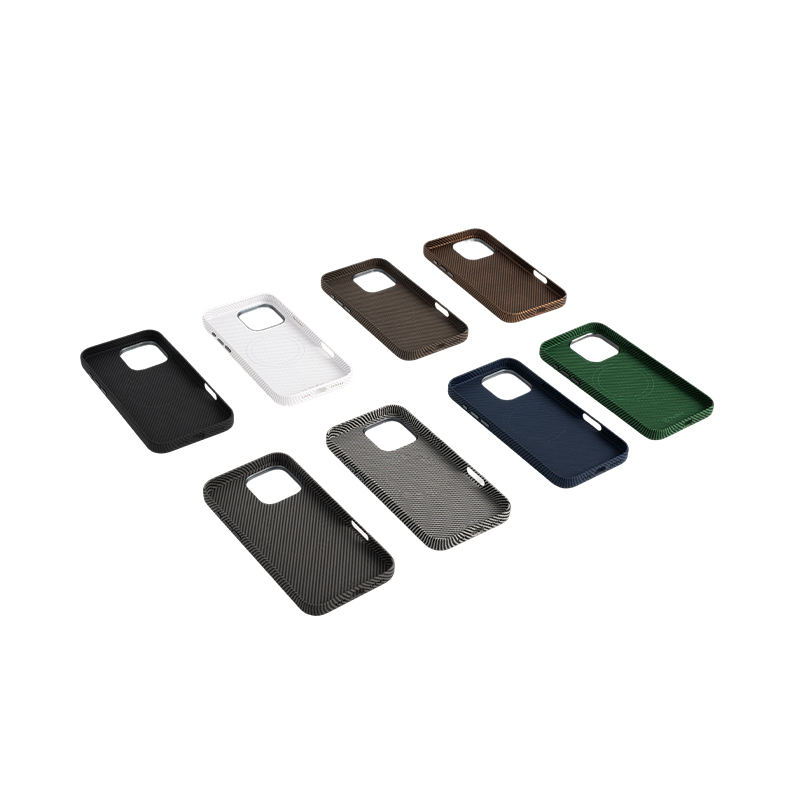
From a material selection perspective, traditional heavy protective cases often use PC or TPU materials, which offer strong protection but tend to be bulky. Modern slim and lightweight protective cases are shifting towards composite material systems, such as a combination of aramid fiber (Kevlar) and liquid silicone. Aramid fiber is known for its high strength and low density; its tensile strength is five times that of steel, and its thickness can be controlled within 0.3 mm, providing a foundation for slimness. Liquid silicone provides cushioning through an inner microfiber layer while maintaining a skin-friendly feel. This material combination reduces overall weight and disperses the impact of drops through a layered design, achieving compatibility between protection and slimness.
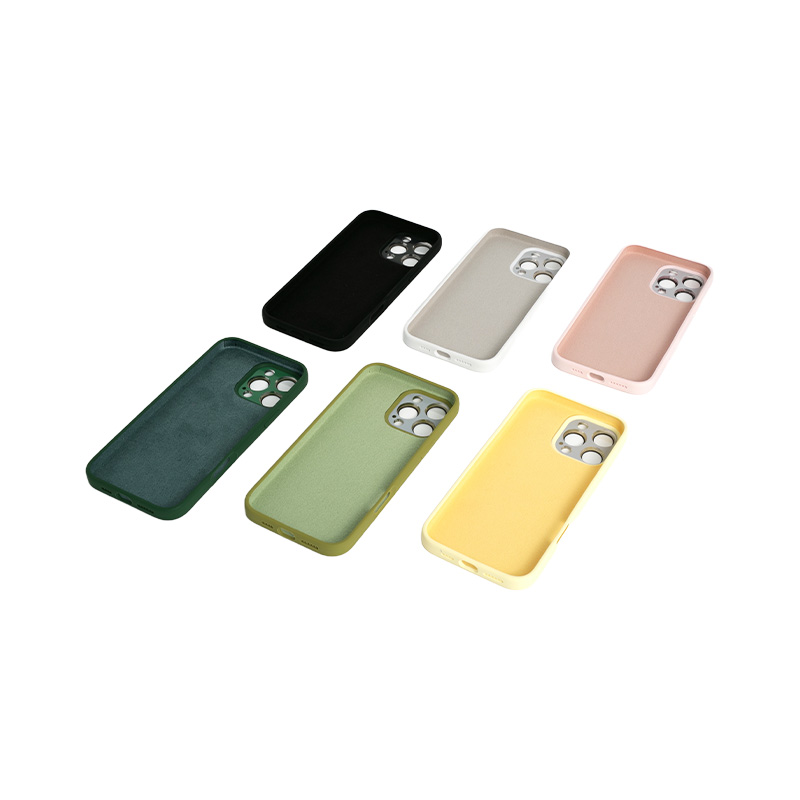
Structural design is a key element in achieving this balance. Slim protective cases generally employ thickened corners and airbag drop protection technology, strengthening vulnerable areas through localized thickening rather than overall thickness. For example, some products embed honeycomb TPU structures in the mid-frame and corners, utilizing the deformation of the honeycomb units to absorb energy while keeping the main body thickness below 1 mm. Another typical example is the raised lens frame design—by raising the lens area by 0.5 mm, direct contact between the lens and the table is prevented when the phone is laid flat, improving protection with almost no increase in overall thickness.
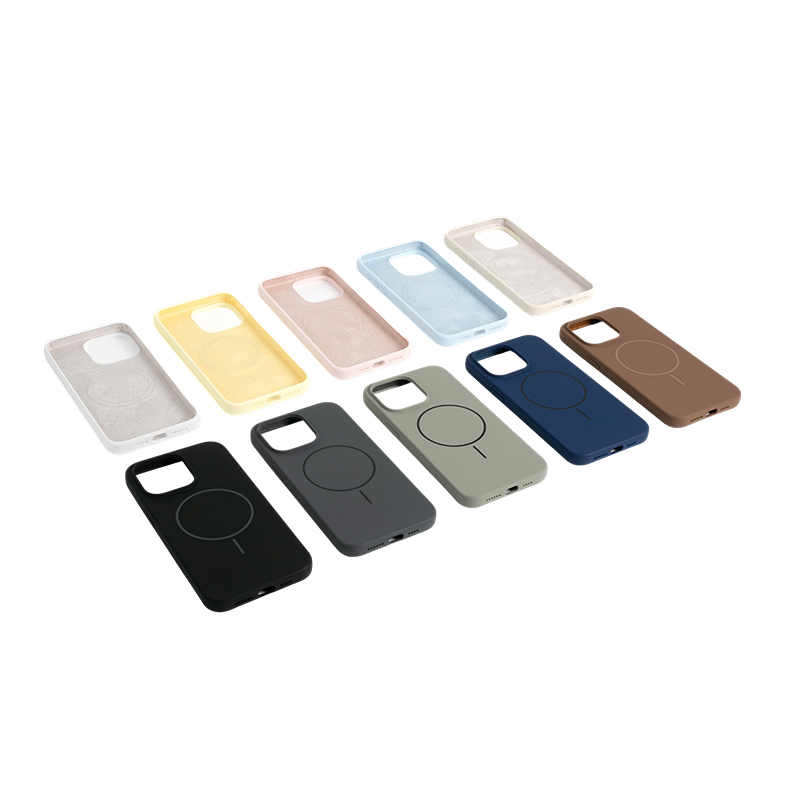
Functional integration technology further expands the possibilities for slimness. The widespread adoption of MagSafe magnetic charging has led to the embedding of magnetic arrays in ultra-thin structures for protective cases. To avoid increasing thickness with the magnetic assembly, some brands use "cicada-wing slim technology," integrating the magnetic module with the shell in a single molding process, keeping the thickness within 0.2 mm. This design not only supports wireless charging but also improves charging efficiency through precise magnetic alignment, resolving the conflict between slimness and functionality. Simultaneously, the application of nano-coating technology gives the shell surface fingerprint-resistant and oil-resistant properties, reducing cleaning needs and indirectly extending the lifespan of the protective effect.
Optimizing heat dissipation is another crucial aspect of the slim and lightweight design process. Gamers and heavy users have higher demands for phone cooling, but thick protective cases can hinder heat dissipation. To address this, some slim cases employ thermally conductive materials and ventilation channels. For example, Razer's "Ice Armor" series embeds a THERMAPHENE thermally conductive layer in the back cover, along with increased vents, to quickly transfer heat to the outside. This design effectively reduces the device's temperature during gaming while maintaining a thickness of less than 1.5 mm, balancing slimness and performance requirements.
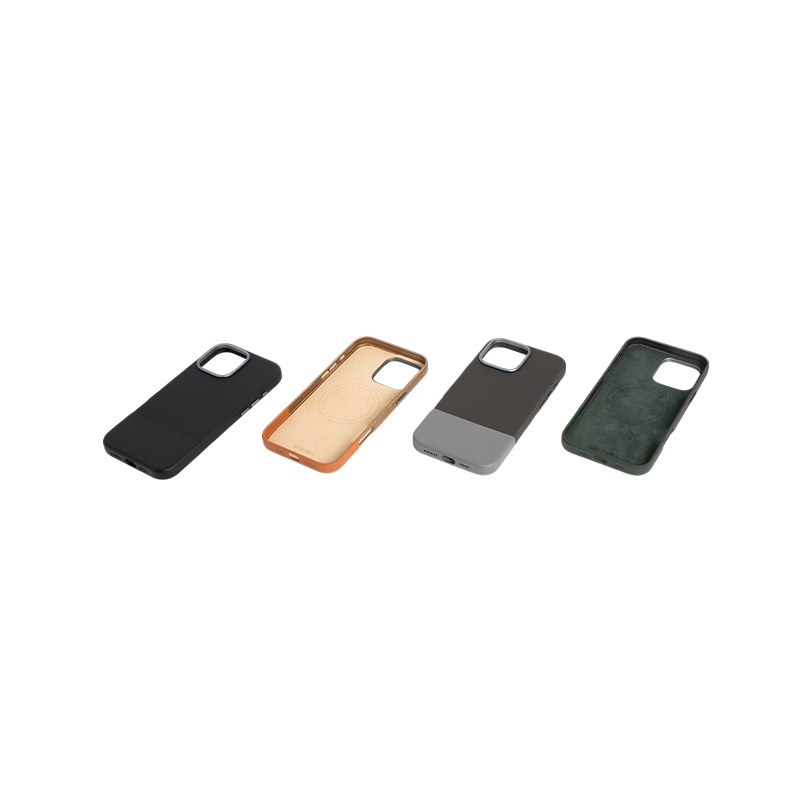
The segmentation of user scenarios has driven the diversification of balancing strategies. Business professionals prefer minimalist designs, opting for slim cases with solid-color silicone or genuine leather materials, satisfying their professional image needs while providing basic protection through microfiber linings. Outdoor sports enthusiasts prioritize drop resistance, choosing TPU cases with lanyard holes and a thickness of less than 2 mm, balancing portability and impact resistance. This scenario-based design makes the balance between slimness and protection more targeted, meeting the core needs of different user groups.
From an industry trend perspective, the application of environmentally friendly materials adds a new dimension to the balancing strategy. Bio-based TPU and biodegradable plastics are gradually entering the market. These materials, while maintaining their slim and lightweight characteristics, improve their resistance to yellowing and aging through molecular structure optimization. For example, some brands use blended modified PP materials, which, while providing drop and wear resistance, fundamentally solve the problem of yellowing after long-term use of traditional TPU shells, extending the visible lifespan of the protective effect.
The balance between slimness and protection achieved by Apple iPhone mobile phone cases is the result of the combined efforts of materials science, structural design, and user needs. From breakthroughs in the strength of aramid fibers to the precise integration of magnetic technology, from scenario-based design to innovations in environmentally friendly materials, every technological advancement is redefining the boundaries between "slimness" and "protection." In the future, with the embedding of smart sensors and the widespread adoption of modular designs, protective cases are expected to become even thinner and lighter while also offering value-added functions such as health monitoring and location tracking, providing users with a more comprehensive protective experience.