


How Does a Full-Coverage Leather Protective Case Compare to Silicone or Plastic Alternatives?
Release Time : 2026-05-06
In the vast and saturated marketplace of mobile accessories, the choice of a protective case is rarely just about preventing a cracked screen. It is a decision that balances aesthetics, tactile experience, and practical utility. Among the myriad options available, full-coverage leather cases stand as a distinct category, often positioned at the premium end of the spectrum. When compared to their ubiquitous silicone and plastic counterparts, leather cases offer a fundamentally different value proposition, one that prioritizes aging, texture, and professional presentation over shock absorption or cost-efficiency.
The most immediate differentiator is the material's interaction with the user. Silicone and plastic cases are generally static; they look the same the day you buy them as they do the day you replace them. In fact, clear plastic cases often suffer from yellowing due to UV exposure, while silicone can attract lint and dust, becoming sticky or grimy over time. Leather, conversely, is a living material. A high-quality full-coverage leather case develops a patina. This natural aging process sees the leather darken slightly and gain a unique sheen based on the oils from the user's hands and the environment. For many, this evolution adds character and sentimental value, transforming the phone from a piece of disposable technology into a personalized accessory.
Tactile sensation plays a crucial role in the user experience. Silicone is undeniably soft and offers excellent grip, but it can feel rubbery and traps heat, making the phone feel warmer in the hand. Hard plastic offers a slick, smooth feel but is prone to slipping out of pockets or off smooth surfaces. Full-coverage leather strikes a balance. It is firm yet supple, offering a warm, organic touch that feels premium against the skin. The texture of the grain provides just enough friction to ensure a secure hold without the tackiness of silicone. Furthermore, leather is breathable; it does not trap heat against the device in the same way synthetic polymers do, keeping the phone at a more neutral temperature.
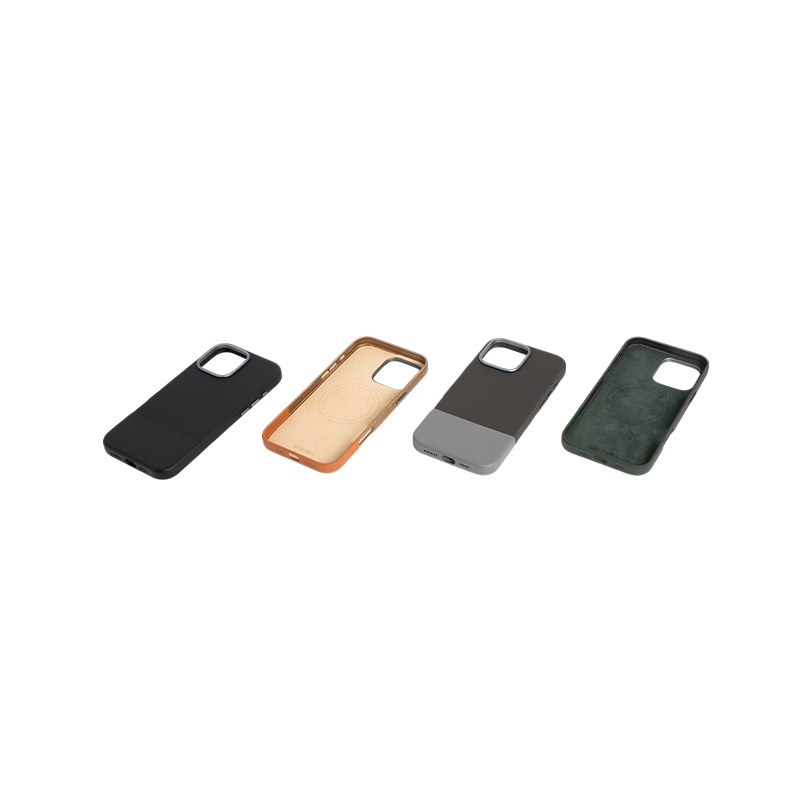
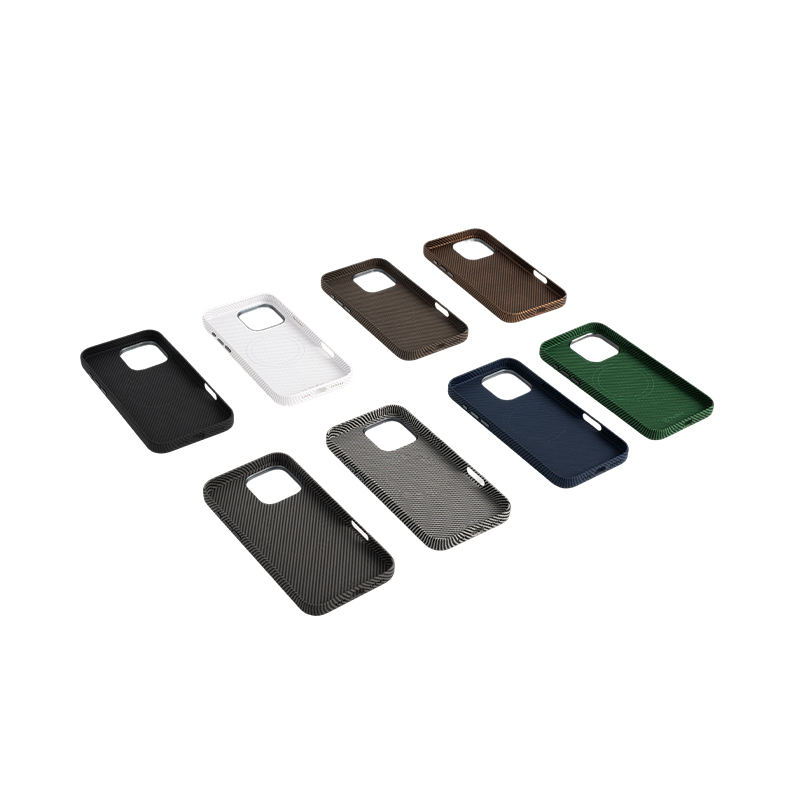
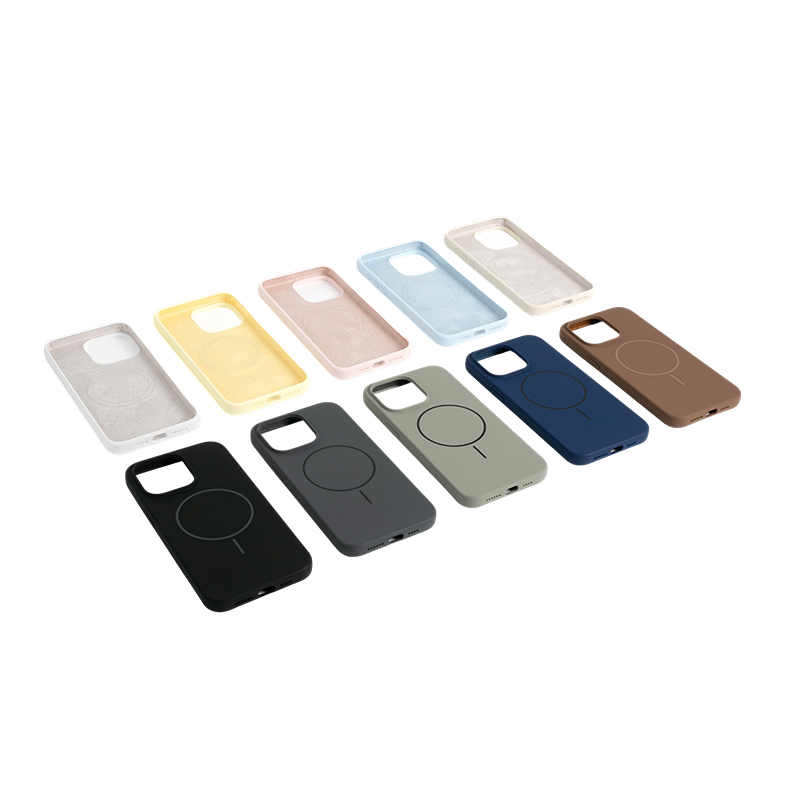
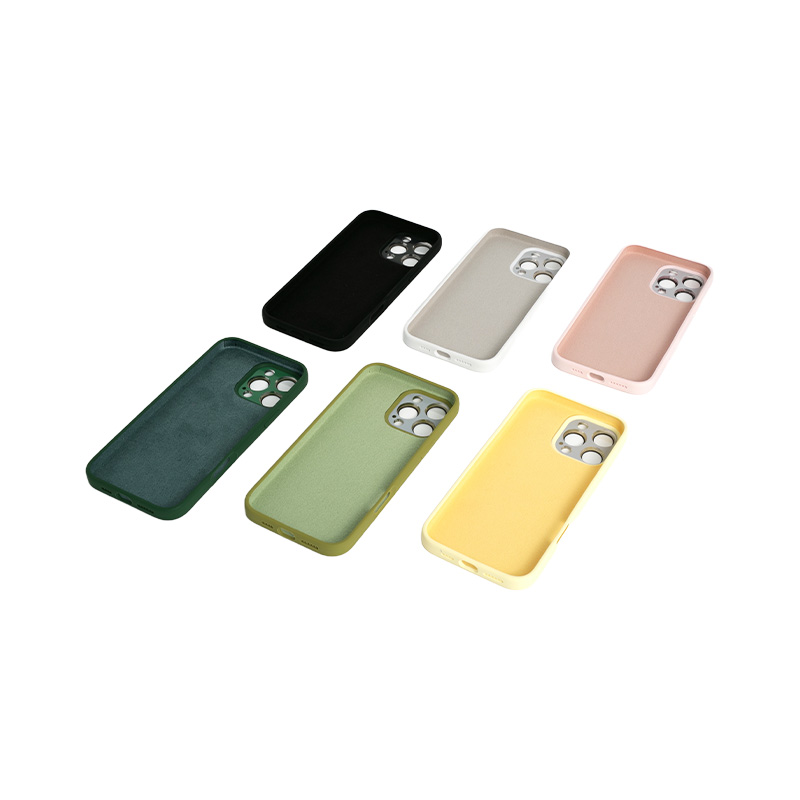
Aesthetically, the two categories serve different lifestyles. Silicone and plastic are often associated with youth, vibrancy, and utility. They come in neon colors, cartoon prints, or transparent finishes that highlight the phone's original design. However, they can sometimes look out of place in formal settings. A full-coverage leather case, with its clean lines and rich earth tones, commands a different presence. It signals sophistication and professionalism. Pulling a phone encased in fine leather out of a pocket during a business meeting projects a different image than a phone encased in neon rubber. The leather case acts as an extension of other leather goods one might carry, such as a wallet, belt, or briefcase, creating a cohesive visual identity.
Functionality, specifically regarding protection, reveals the trade-offs involved. Silicone is the undisputed king of shock absorption. Its ability to compress and disperse kinetic energy makes it ideal for clumsy users or active environments. Hard plastic protects against scratches but can shatter upon hard impact. Full-coverage leather offers robust protection, but of a different variety. The "all-inclusive" design usually means the Protective case wraps around the edges and corners, shielding the phone from daily scuffs, keys in a pocket, and minor drops. While it may not survive a drop onto concrete as well as a heavy-duty silicone bumper, it excels at preserving the structural integrity of the phone against the wear and tear of daily professional use. It prevents the metal frame from denting and the glass back from scratching, maintaining the device's pristine condition.
There is also the aspect of bulk and ergonomics. Plastic cases can be incredibly thin, adding negligible weight, while rugged silicone cases can add significant heft. Leather cases occupy a middle ground. To achieve the "all-inclusive" protection and the structural rigidity required for a premium feel, leather cases are often molded with a firm inner shell. This adds a slight amount of bulk, but it is often perceived as a quality addition rather than a nuisance. The rigidity of the leather shell can actually make a large phone easier to hold, providing a solid frame that prevents the flexing sometimes felt with thinner silicone skins.
Maintenance is another point of divergence. Cleaning a plastic or silicone case is a simple matter of rinsing it with water and soap. Leather requires a bit more care, akin to caring for a leather jacket or shoes. It should be kept away from excessive moisture and may occasionally benefit from a conditioning treatment to keep the fibers supple. However, this maintenance is part of the ownership experience for leather enthusiasts. It is a small price to pay for a material that looks better with age, whereas a scratched plastic case simply looks damaged.
Ultimately, the choice between a full-coverage leather case and silicone or plastic alternatives comes down to what the user values most. If the priority is maximum impact protection at the lowest cost, or if the user prefers a lightweight, washable accessory, silicone and plastic are logical choices. They are utilitarian tools designed to absorb punishment. However, for the user who views their smartphone as a fashion statement or a professional tool, leather offers an unparalleled combination of style, durability, and sensory pleasure. It transforms the phone into an object of desire, one that tells a story through its wear and tear, standing in elegant contrast to the mass-produced uniformity of plastic and rubber.
The most immediate differentiator is the material's interaction with the user. Silicone and plastic cases are generally static; they look the same the day you buy them as they do the day you replace them. In fact, clear plastic cases often suffer from yellowing due to UV exposure, while silicone can attract lint and dust, becoming sticky or grimy over time. Leather, conversely, is a living material. A high-quality full-coverage leather case develops a patina. This natural aging process sees the leather darken slightly and gain a unique sheen based on the oils from the user's hands and the environment. For many, this evolution adds character and sentimental value, transforming the phone from a piece of disposable technology into a personalized accessory.
Tactile sensation plays a crucial role in the user experience. Silicone is undeniably soft and offers excellent grip, but it can feel rubbery and traps heat, making the phone feel warmer in the hand. Hard plastic offers a slick, smooth feel but is prone to slipping out of pockets or off smooth surfaces. Full-coverage leather strikes a balance. It is firm yet supple, offering a warm, organic touch that feels premium against the skin. The texture of the grain provides just enough friction to ensure a secure hold without the tackiness of silicone. Furthermore, leather is breathable; it does not trap heat against the device in the same way synthetic polymers do, keeping the phone at a more neutral temperature.
Aesthetically, the two categories serve different lifestyles. Silicone and plastic are often associated with youth, vibrancy, and utility. They come in neon colors, cartoon prints, or transparent finishes that highlight the phone's original design. However, they can sometimes look out of place in formal settings. A full-coverage leather case, with its clean lines and rich earth tones, commands a different presence. It signals sophistication and professionalism. Pulling a phone encased in fine leather out of a pocket during a business meeting projects a different image than a phone encased in neon rubber. The leather case acts as an extension of other leather goods one might carry, such as a wallet, belt, or briefcase, creating a cohesive visual identity.
Functionality, specifically regarding protection, reveals the trade-offs involved. Silicone is the undisputed king of shock absorption. Its ability to compress and disperse kinetic energy makes it ideal for clumsy users or active environments. Hard plastic protects against scratches but can shatter upon hard impact. Full-coverage leather offers robust protection, but of a different variety. The "all-inclusive" design usually means the Protective case wraps around the edges and corners, shielding the phone from daily scuffs, keys in a pocket, and minor drops. While it may not survive a drop onto concrete as well as a heavy-duty silicone bumper, it excels at preserving the structural integrity of the phone against the wear and tear of daily professional use. It prevents the metal frame from denting and the glass back from scratching, maintaining the device's pristine condition.
There is also the aspect of bulk and ergonomics. Plastic cases can be incredibly thin, adding negligible weight, while rugged silicone cases can add significant heft. Leather cases occupy a middle ground. To achieve the "all-inclusive" protection and the structural rigidity required for a premium feel, leather cases are often molded with a firm inner shell. This adds a slight amount of bulk, but it is often perceived as a quality addition rather than a nuisance. The rigidity of the leather shell can actually make a large phone easier to hold, providing a solid frame that prevents the flexing sometimes felt with thinner silicone skins.
Maintenance is another point of divergence. Cleaning a plastic or silicone case is a simple matter of rinsing it with water and soap. Leather requires a bit more care, akin to caring for a leather jacket or shoes. It should be kept away from excessive moisture and may occasionally benefit from a conditioning treatment to keep the fibers supple. However, this maintenance is part of the ownership experience for leather enthusiasts. It is a small price to pay for a material that looks better with age, whereas a scratched plastic case simply looks damaged.
Ultimately, the choice between a full-coverage leather case and silicone or plastic alternatives comes down to what the user values most. If the priority is maximum impact protection at the lowest cost, or if the user prefers a lightweight, washable accessory, silicone and plastic are logical choices. They are utilitarian tools designed to absorb punishment. However, for the user who views their smartphone as a fashion statement or a professional tool, leather offers an unparalleled combination of style, durability, and sensory pleasure. It transforms the phone into an object of desire, one that tells a story through its wear and tear, standing in elegant contrast to the mass-produced uniformity of plastic and rubber.