
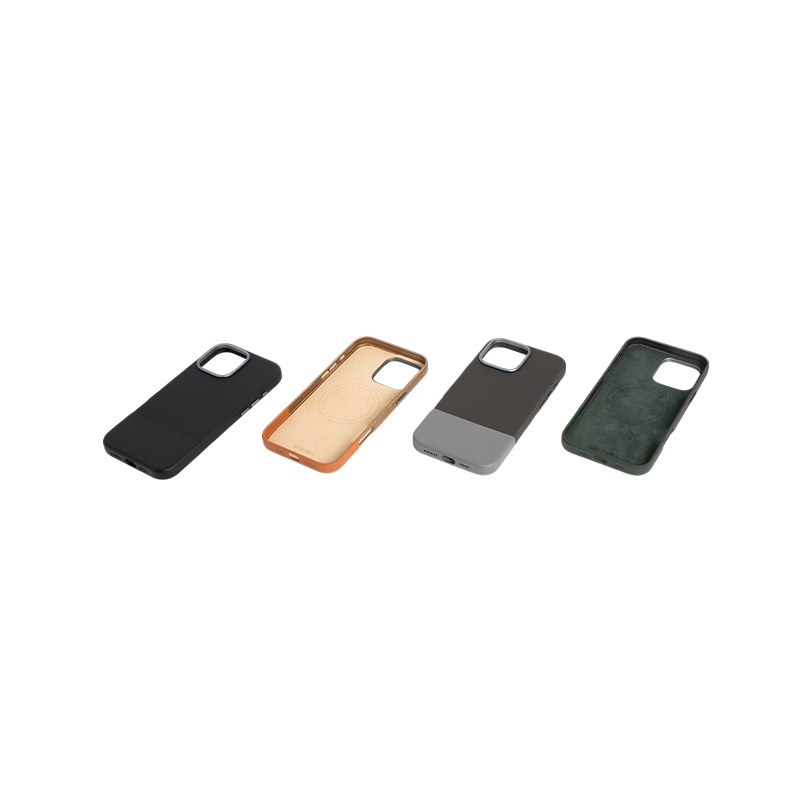
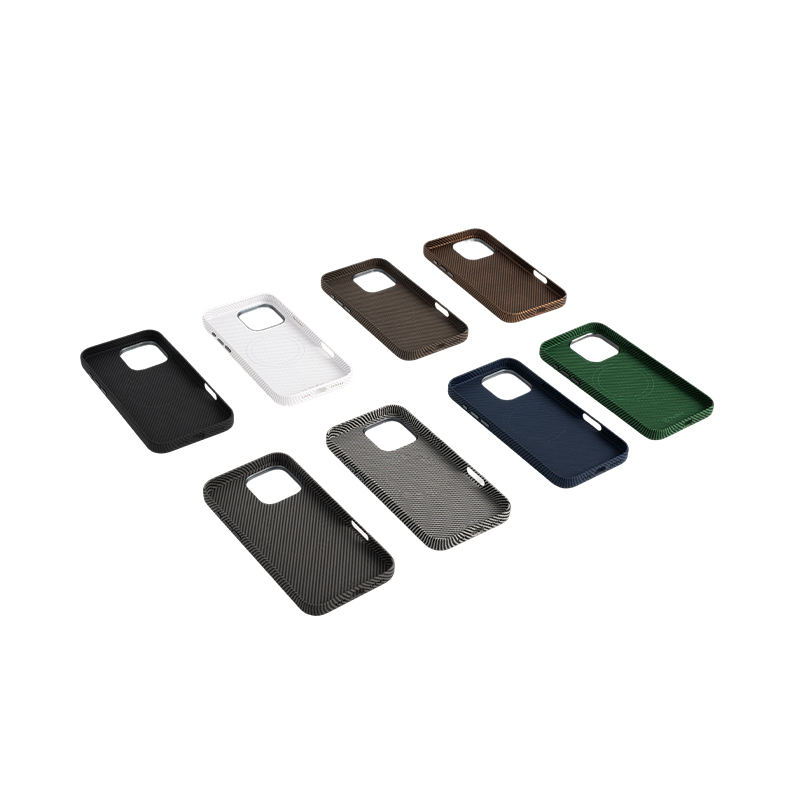
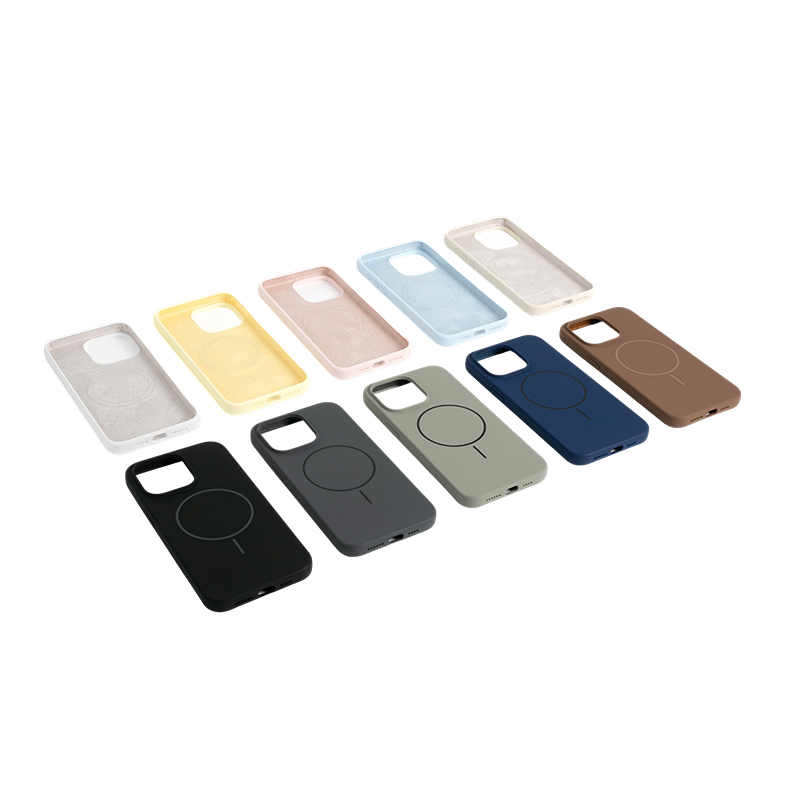
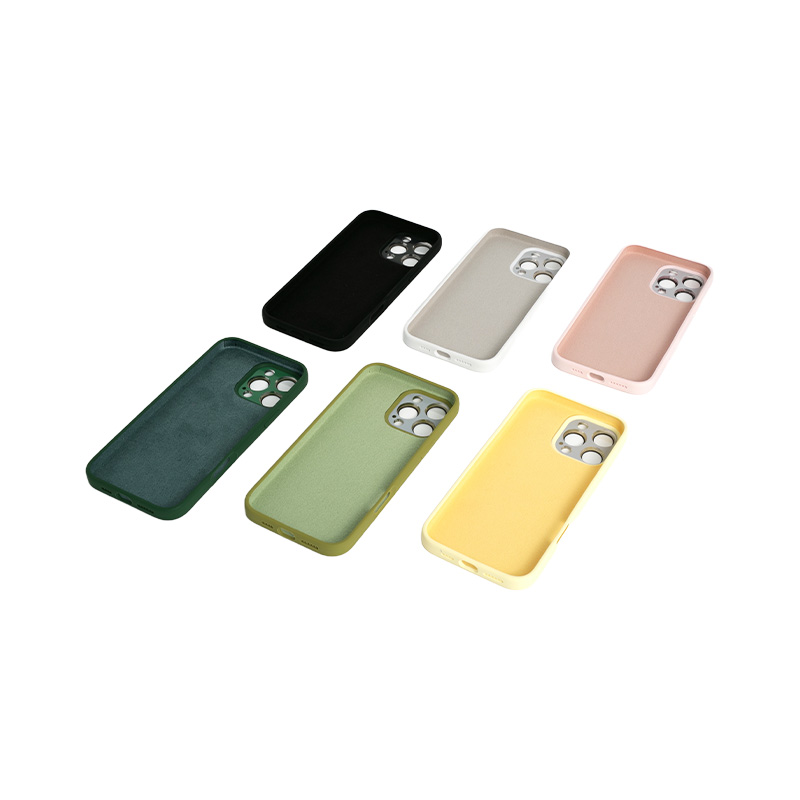


How can we improve the protective effect of silicone full-coverage iPhone mobile phone protective cases on components such as the iPhone camera?
Release Time : 2026-03-11
In today's era of ubiquitous smartphones, iPhone protective cases, as crucial accessories for ensuring iPhone security, are paramount in protecting critical components such as the camera. Improving protection not only extends the phone's lifespan but also provides users with a more reassuring experience, requiring comprehensive consideration and improvement from multiple aspects.
Precise mold design is fundamental to enhancing protection. iPhone protective cases must fit the iPhone's body contours closely, especially the camera area. The mold design must be based on the iPhone's precise dimensions and shape, meticulously crafting details such as protrusions and openings around the camera. For example, the edges of the camera opening must be smooth and rounded, avoiding burrs or sharp corners to prevent scratches to the camera lens. Simultaneously, the size and position of the opening must be highly precise, ensuring the camera is fully exposed without affecting normal shooting functions, while providing just the right amount of protection against bumps and friction during daily use.
High-quality silicone material is key. The hardness, elasticity, and abrasion resistance of silicone directly affect the protective ability of the iPhone protective case for the camera. Choose a silicone material with moderate hardness and good elasticity. This material effectively cushions external impacts without being too hard to adhere to the phone's surface. Upon impact, silicone absorbs energy through its elastic deformation, reducing the impact transmitted to the camera. Furthermore, high-abrasion-resistant silicone resists scratches and wear from daily use, maintaining the integrity of the case and providing continuous reliable protection for the camera.
A well-designed structure enhances protection. Thickened raised structures can be designed around the camera to form an extra protective layer. When the phone is accidentally dropped or bumped, these raised parts preferentially absorb the impact, dispersing the force and reducing the risk of camera damage. Additionally, soft padding, such as sponge or silicone pads, can be placed inside the iPhone mobile phone protective case near the camera to further absorb impact energy and reduce the impact of vibration on the camera. At the same time, the edges of the protective case can be designed with a slightly upturned shape to prevent the camera from directly contacting a table when the phone is laid flat, avoiding scratches.
Good heat dissipation design is also crucial. iPhones generate considerable heat when using the camera to shoot videos or photos for extended periods. If the protective case has poor heat dissipation, heat will accumulate around the camera, potentially affecting its performance and lifespan. Therefore, iPhone mobile phone protective cases should employ a design with excellent heat dissipation, such as incorporating ventilation holes around the camera or using silicone materials with better heat dissipation to promote heat dissipation and keep the camera operating in a suitable temperature environment.
Precise manufacturing processes ensure the quality of iPhone mobile phone protective cases. During production, the silicone injection molding process must be strictly controlled to guarantee the dimensional accuracy and surface quality of the protective case. Dimensional deviations that cause the case to not fit the phone properly, affecting the protective effect, must be avoided. Surface defects such as bubbles and cracks must also be prevented, as these defects may reduce the case's strength and durability. At the same time, the edges and openings of the protective case should be meticulously finished to make them smooth and flat, reducing potential threats to the camera.
Regular quality inspection is a necessary step to ensure protective effectiveness. During production and before the finished product leaves the factory, the protective case must undergo rigorous quality inspection. This includes checking whether the size and position of the camera opening meet standards, whether the elasticity and hardness of the protective case meet the requirements, and whether the overall protective performance meets the requirements. Through quality inspection, substandard products are promptly identified and removed, ensuring that all iPhone mobile phone protective cases entering the market provide reliable protection for iPhone cameras.